Our History
The foundations of Derby Aboriginal Health Service were laid in the mid-1990s, when Winun Ngari Aboriginal Corporation received funding from the Aboriginal and Torres Strait Islander Commission to undertake a comprehensive health planning exercise for Aboriginal people living in the Jayida Buru Ward of the Malarabah ATSIC Regional Council in the West Kimberley. This region included Aboriginal communities in and around Derby town, south of Derby along the Fitzroy Valley, northeast of Derby, along the Gibb River Road, and outstations north along the coast and into the Mitchell Plateau.
The outcome of this work was the Jayida Buru Health Strategy, the first health strategy for Aboriginal people in the Derby region developed from an Aboriginal perspective. The strategy identified significant gaps in how mainstream health services were structured and delivered, noting that services often failed to recognise the diverse needs of Aboriginal communities and excluded Aboriginal people from information sharing and decision making.
The strategy set out clear objectives, including Aboriginal community control of health services, planning based on local health needs, coordinated and comprehensive programs, equitable access to care, and appropriate resourcing. It also made a strong case for the establishment of a dedicated Aboriginal health service in the region, recognising that existing mainstream services were not culturally appropriate, accessible, or sufficient to meet community needs.
In response, the Winun Ngari Aboriginal Corporation Committee established the Derby Aboriginal Medical Service Committee in April 1997. With support from Winun Ngari, this committee worked to establish a culturally appropriate, community-controlled health service for Aboriginal people in Derby and the surrounding region.
Funding was secured from the Office of Aboriginal and Torres Strait Islander Health, and in September 1997 the first Derby Aboriginal Health Service Council was elected. This marked a significant milestone in the journey towards Aboriginal community control of health care in Derby. This committee consisted of the following people:
| Chairperson |
Vice Chairperson |
Secretary |
Treasurer |
Public Officer |
| Maitland ‘Chips’ Councillor |
David Walley (deceased) |
Maxine Armstrong (deceased) |
Raymond Shadforth (deceased) |
Lorna Howie (who was also the first Coordinator / Administrator of DAHS) |
| Committee Members |
| Harry Lennard (deceased) |
Graham Ejai (deceased) |
Eric Benning |
Doug D’Antoine Snr (deceased) |
Jenny Delvin (deceased) |
Geraldine Shadforth |
Jock Nowanji (deceased) |
Victor Hunter |
Derby Aboriginal Health Service officially opened its doors to the community on 10 December 1998. At that time, the service operated from very modest facilities, with a single donger and one consultation room.
Move to our current clinic & facility
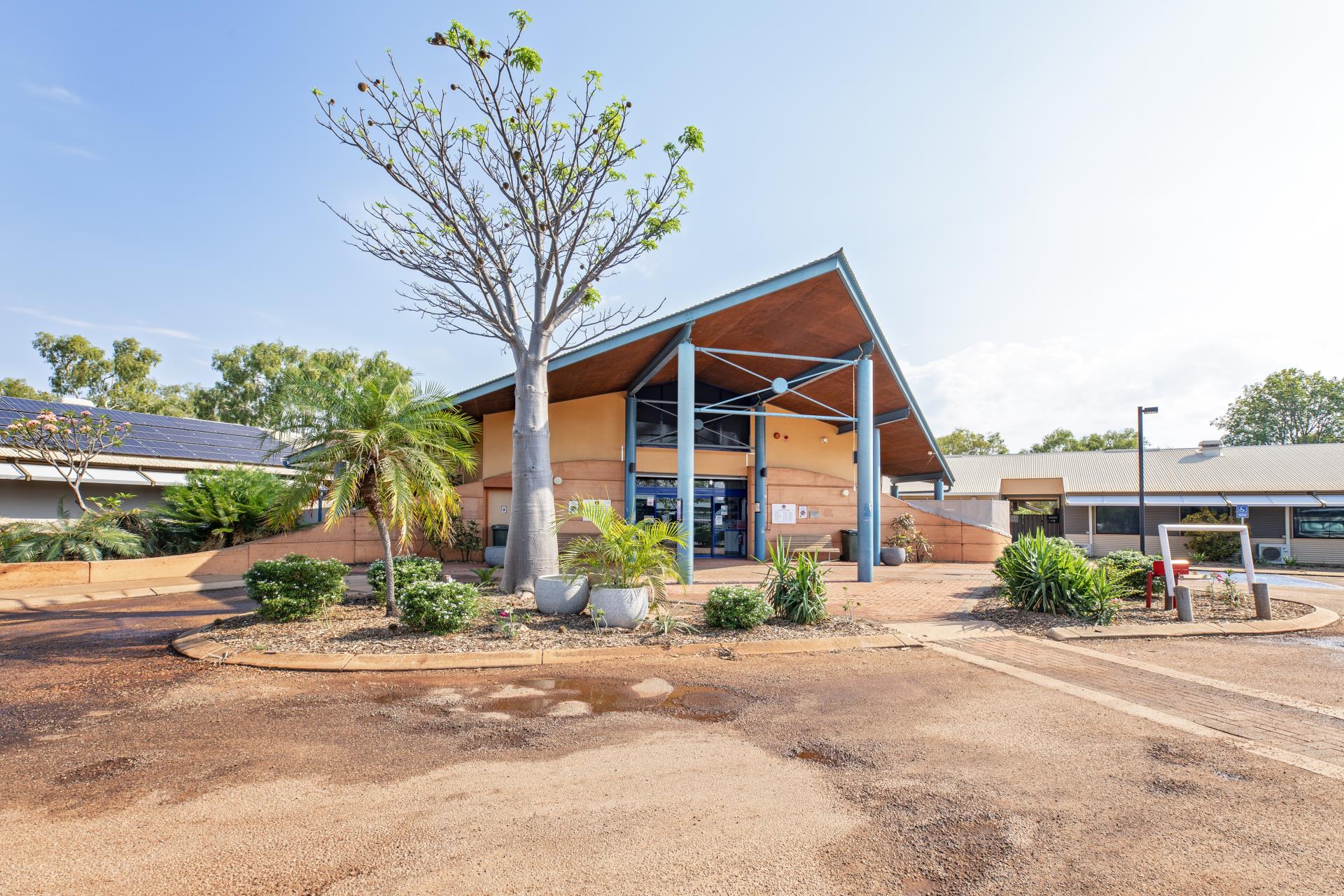
In 2003, DAHS received funding to develop a permanent clinic facility. This site remains the home of the service today. Since then, Derby Aboriginal Health Service has grown significantly into a large and diverse operation, now delivering care through multiple programs and more than ten consultation rooms.
From its beginnings as a small service responding to an urgent community need, Derby Aboriginal Health Service has continued to grow and evolve, guided by community leadership and a commitment to culturally safe, holistic health care for Aboriginal people across Derby and the West Kimberley.